
Nervous System Disease Disorder Symptoms Treatment and Prevention

Table of contents: Nervous System Disease Disorder Symptoms Treatment and Prevention
- Nervous System Disease Disorder Symptoms Treatment and Prevention
- Classification Chart of Nervous System Drugs
- Therapeutic Basics of Nervous System Generic Drugs
- Drugs Acting on CNS
- Action Potential
- How Benzodiazepines Works
- How Selective serotonin reuptake inhibitors (SSRI) Works
- Diagnostic Tests for Nervous System Diseases
- FAQs
- Conclusion
Nervous System Disease Disorder Symptoms Treatment and Prevention
Nervous System Diseases
Stroke
Epilepsy
Parkinson’s Disease
Alzheimer’s Disease
Meningitis
Multiple Sclerosis (MS)
Brain Tumors
Neuropathic Pain

Peripheral Neuropathy

- Unusual sensations
- Pain from light touch
- Burning sensations
- Numbness
- Tingling or pins and needles
- Balance problems
- Muscle cramping
- Delayed response due to reflex problems
- Excess sweating
- Heat intolerance
- Feeling full quickly after eating
- Impotence
- Dizziness or fainting when standing up (Orthostatic hypotension)
Seizure And Epilepsy

Convulsion

Parkinson's Disease

- Parkinsonian gait – A characteristic way of walking with a stooped posture and small, shuffling steps.
- Slowed movement (bradykinesia) – Movements become slower over time.
- Reduced arm swing – The natural swinging motion of the arms while walking is decreased.
- Rigidity – Stiffness in the limbs or trunk.
- Freezing – Sudden, temporary inability to move.
- Mask-like face – Reduced facial expressions, making the face look emotionless.
- Asymmetric resting tremor – Shaking, usually starting on one side of the body, especially noticeable at rest.
- Postural instability – Difficulty maintaining balance, leading to a tendency to fall.
- Shuffling steps – Taking short, dragging steps while walking.
Nervous System Disorders
Neurological Disorder

Anxiety Disorder


- Excessive anxiety and worry
- Fatigue
- Restlessness
- Increased muscle aches or soreness
- Impaired concentration
- Irritability
- Difficulty sleeping


Obsessive Compulsive Disorder

Depression


- Low mood – Feeling sad or down most of the time
- Changes in appetite – Eating significantly more or less than usual
- Sleep disturbance – Trouble sleeping or sleeping too much
- Agitation – Feeling restless or easily irritated
- Fatigue – Persistent tiredness or lack of energy
- Difficulty concentrating – Trouble focusing or making decisions
Insomnia

Agitation

Anorexia

Mixed Anxiety And Depression Disorder (MADD)


- Early traumatic event – Experiencing trauma early in life.
- Parenting style – Negative or overly strict parenting can contribute.
- Isolated upbringing – Growing up in isolation or without social interaction.
- Brain structure – Certain brain structures may influence mood and anxiety.
- Societal expectations – Pressure to meet societal standards or norms.
- Genetics – Family history or inherited traits.
- Observing others with SAD (Social Anxiety Disorder) – Learning behaviors from people with anxiety.
Psychosomatic Disorder
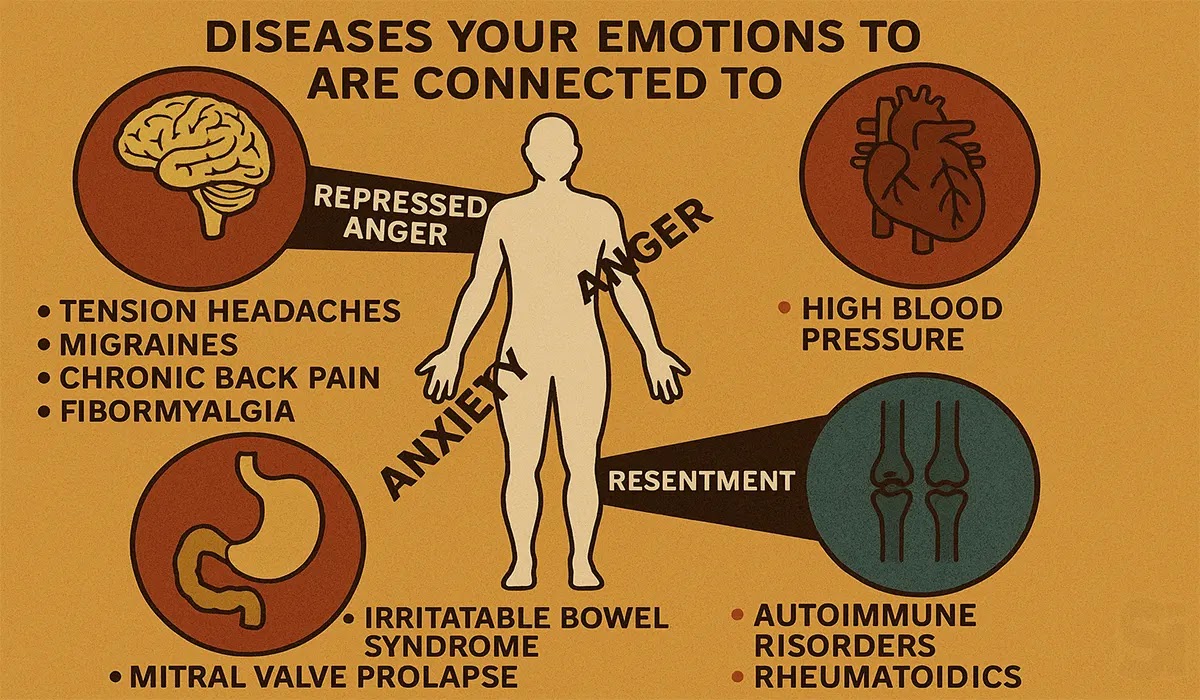
Fibromyalgia

Migraine

Symptoms of Nervous System Problems
Headache and Pain
Seizures and Convulsions
Muscle Weakness and Tremors
Numbness, Tingling, and Sensory Changes
Memory Loss and Confusion
Speech and Understanding Problems
Balance and Coordination Issues
Mood and Behavioral Changes
Sleep Problems
Loss of Consciousness or Fainting
Treatment of Nervous System Problems
Medication
- Pain relievers: To reduce headache, nerve pain, or muscle cramps (e.g., paracetamol, ibuprofen, neuropathic pain medicines).
- Anti-seizure drugs: For epilepsy or seizure control.
- Antidepressants & Anti-anxiety drugs: For mood disorders, depression, or anxiety.
- Antiparkinsonian drugs: To control tremors and stiffness in Parkinson’s disease.
- Antibiotics/Antivirals: For infections like meningitis or encephalitis.
- Steroids: To reduce inflammation in conditions like multiple sclerosis.
Physical Therapy
- Helps patients regain strength, balance, and coordination.
- Useful in stroke recovery, spinal cord injury, or muscle weakness.
- Includes exercises, stretching, and mobility training.
Psychological Therapy
- Cognitive Behavioral Therapy (CBT): Effective for anxiety, depression, and stress-related disorders.
- Counseling: To help patients and families cope with long-term neurological diseases.
Surgical Treatments
- In some severe cases, surgery may be needed:
- Brain surgery: To remove tumors, blood clots, or control epilepsy.
- Deep brain stimulation (DBS): For Parkinson’s disease and tremors.
- Spinal surgery: For injuries, slipped discs, or compressed nerves.
Rehabilitation Programs
- Stroke and injury patients often need long-term rehabilitation.
- Includes physiotherapy, occupational therapy (daily living skills), and speech therapy.
Lifestyle and Home Care
- Healthy diet: Rich in vitamins (B12, folate), omega-3 fatty acids, and antioxidants for brain and nerve health.
- Regular exercise: Improves blood flow and reduces stress.
- Proper sleep: Essential for healing and preventing nervous system fatigue.
- Stress management: Yoga, meditation, and breathing exercises help reduce nerve strain.
- Avoid harmful habits: Quit smoking, limit alcohol, and avoid drug abuse as they damage the nervous system.
Emergency Care
- Stroke, seizures, or sudden loss of consciousness require immediate hospital care.
- “Time is brain” — early treatment can save lives and prevent permanent disability.
Nervous System Disease Prevention
Classification Chart of Nervous System Drugs
| Sl. No | Sub Class | Therapeutic Group |
|---|---|---|
| 1 | Analgesics & Antipyretics |
a) Non-opioid analgesics
b) Opioid analgesics
c) Combination analgesics
|
| 2 | Antiepileptic Drugs (AEDs) |
a) Sodium channel blockers
b) GABA enhancers
c) Calcium channel blockers
d) Broad-spectrum AEDs
|
| 3 | Antiparkinson Drugs |
a) Dopamine precursors
b) Dopamine agonists
c) MAO-B inhibitors
d) COMT inhibitors
e) Anticholinergics
f) Amantadine
|
| 4 | Antidepressants |
a) SSRIs
b) SNRIs
c) TCAs
d) MAO inhibitors
e) Atypical antidepressants
|
| 5 | Antipsychotics |
a) Typical antipsychotics
b) Atypical antipsychotics
|
| 6 | Anxiolytics & Sedatives |
a) Benzodiazepines
b) Non-benzodiazepine sedatives
c) Barbiturates
d) Buspirone
|
| 7 | CNS Stimulants |
a) Amphetamines
b) Methylphenidate
c) Modafinil, Armodafinil
|
| 8 | Drugs for Alzheimer’s Disease |
a) Cholinesterase inhibitors
b) NMDA receptor antagonist
|
| 9 | Drugs for Migraine |
a) Triptans
b) Ergot derivatives
c) CGRP antagonists
d) Preventive drugs
|
| 10 | Muscle Relaxants |
a) Centrally acting
b) Peripherally acting
|
| 11 | Local Anesthetics |
a) Ester type
b) Amide type
|
| 12 | General Anesthetics |
a) Inhalational
b) Intravenous
|
| 13 | Drugs for Sleep Disorder |
a) Z-drugs
b) Melatonin receptor agonists
c) Orexin receptor antagonists
|
| 14 | Drugs for Multiple Sclerosis (MS) |
a) Interferon beta-1a/1b
b) Glatiramer acetate
c) Fingolimod, Siponimod
d) Natalizumab, Ocrelizumab
|
| 15 | Drugs for Neuropathic Pain |
a) Anticonvulsants
b) Antidepressants
c) Topical agents
|
| 16 | Drugs for Substance Dependence |
a) Alcohol dependence
b) Opioid dependence
c) Nicotine dependence
|
| 17 | Neuroprotective & Cognitive Enhancers |
a) Citicoline, Cerebrolysin
b) Edaravone
c) Piracetam, Oxiracetam
|
| 18 | Drugs for Stroke & Cerebrovascular Disease |
a) Thrombolytics
b) Antiplatelets
c) Statins
|
Therapeutic Basics of Nervous System Generic Drugs
1. Analgesics & Antipyretics
| Therapeutic Group | Generic name | Training note |
|---|---|---|
| Simple analgesic / antipyretic | Paracetamol (Acetaminophen) | First-line for mild pain/fever; safe at recommended dose; watch total daily acetaminophen. |
| NSAIDs (traditional) | Ibuprofen, Naproxen, Diclofenac, Indomethacin, Ketorolac, Piroxicam, Meloxicam, Aspirin | Analgesic + anti-inflammatory; GI, renal, and CV risk on long use. |
| COX-2 selective inhibitors | Celecoxib, Etoricoxib | Less GI irritation; consider CV risk profile. |
| Strong opioids | Morphine, Fentanyl, Oxycodone, Hydromorphone, Methadone | For severe pain; monitoring for respiratory depression, dependence; controlled substances. |
| Weak/moderate opioids | Tramadol, Tapentadol, Codeine | Moderate pain; tramadol has serotonergic effects—caution with other serotonergic drugs. |
| Combination analgesics | Paracetamol + Codeine, Paracetamol + Tramadol, NSAID + Paracetamol combos | Useful when single agent insufficient; monitor cumulative opioid/acetaminophen dose. |
| Adjuvants for neuropathic pain | Amitriptyline, Nortriptyline, Duloxetine, Venlafaxine, Gabapentin, Pregabalin | Not classic analgesics but effective for nerve pain; dose titration needed. |
| Topical agents | Lidocaine patch, Capsaicin cream, Diclofenac gel | Local effect; lower systemic exposure. |
2. Antiepileptic Drugs (AEDs)
| Therapeutic Group | Generic name | Training note |
|---|---|---|
| Sodium channel modulators | Phenytoin, Carbamazepine, Oxcarbazepine, Lamotrigine, Lacosamide, Zonisamide | Good for focal seizures; watch interactions (carbamazepine), rash (lamotrigine). |
| GABAergic agents / GABA enhancers | Valproate (valproic acid/divalproex), Phenobarbital, Primidone, Vigabatrin, Tiagabine | Broad seizure control; valproate teratogenic—avoid pregnancy if possible |
| SV2A modulators | Levetiracetam, Brivaracetam | Broad use, well tolerated, few interactions. |
| Broad-spectrum / mixed mechanism | Topiramate, Felbamate, Perampanel, Rufinamide | Used in varied seizure types; monitor specific side effects (topiramate → cognitive). |
| T-type calcium channel blocker | Ethosuximide | First-line for absence seizures. |
| Emergency / status epilepticus | IV Lorazepam, IV Diazepam, IV Fosphenytoin/Phenytoin, IV Levetiracetam, IV Valproate | Rapid control needed—use in hospital settings. |
| Newer / special use | Eslicarbazepine, Cenobamate, Everolimus (TSC) | For refractory or specific epilepsy syndromes. |
3. Antiparkinson Drugs
| Therapeutic Group | Generic name | Training note |
|---|---|---|
| Levodopa combinations | Levodopa + Carbidopa, Levodopa + Benserazide | Gold-standard for symptom control; long-term motor complications (dyskinesia). |
| Dopamine agonists | Pramipexole, Ropinirole, Rotigotine (patch), Apomorphine (SC), Bromocriptine, Cabergoline | Useful early or adjunct; watch impulse control, sleepiness, hallucinations. |
| MAO-B inhibitors | Selegiline, Rasagiline, Safinamide | Mild symptomatic benefit; reduce off time. |
| COMT inhibitors | Entacapone, Tolcapone, Opicapone | Prolong levodopa effect; tolcapone—monitor liver tests. |
| Anticholinergics | Trihexyphenidyl, Benztropine, Biperiden | Help tremor in young patients; avoid in elderly (confusion, urinary retention). |
| Amantadine | Amantadine | Reduces dyskinesia; modest antiparkinson effect. |
| Adenosine A2A antagonist | Istradefylline | Adjunct to reduce off time (availability varies). |
4. Antidepressants
| Therapeutic Group | Generic name | Training note |
|---|---|---|
| SSRIs | Fluoxetine, Sertraline, Escitalopram, Citalopram, Paroxetine, Fluvoxamine | First-line depression/anxiety; sexual side effects, GI upset, watch for serotonin syndrome. |
| SNRIs | Venlafaxine, Desvenlafaxine, Duloxetine, Levomilnacipran, Milnacipran | Effective for depression and neuropathic pain; may raise BP (venlafaxine). |
| TCAs | Amitriptyline, Nortriptyline, Imipramine, Desipramine, Clomipramine, Doxepin | Effective but anticholinergic and cardiac risks—use carefully. |
| MAOIs | Phenelzine, Tranylcypromine, Isocarboxazid, Moclobemide (RIMA) | Effective in resistant cases; dietary restrictions and interactions. |
| Atypical antidepressants | Bupropion, Mirtazapine, Trazodone, Vortioxetine, Agomelatine | Varied profiles—bupropion less sexual dysfunction, mirtazapine helps sleep/appetite. |
| Augmentation agents | Lithium, Atypical antipsychotics (quetiapine) | Used when monotherapy insufficient—monitor toxicity. |
5. Antipsychotics
| Therapeutic Group | Generic name | Training note |
|---|---|---|
| Typical (first-gen) antipsychotics | Haloperidol, Chlorpromazine, Fluphenazine, Thioridazine | Strong D2 blockade; effective for positive symptoms; higher EPS risk. |
| Atypical (second-gen) antipsychotics | Risperidone, Olanzapine, Quetiapine, Clozapine, Aripiprazole, Ziprasidone, Paliperidone, Lurasidone | Broader symptom control; metabolic side effects (weight gain, lipids) with some agents. Clozapine for treatment-resistant schizophrenia (monitor agranulocytosis). |
| Long-acting injectables (LAIs) | Haloperidol decanoate, Fluphenazine decanoate, Risperidone LAI, Paliperidone palmitate, Aripiprazole LAI | Improve adherence; steady plasma levels. |
| Adjunctive / specialty | Pimavanserin (Parkinson’s psychosis) | Specific uses—check indication. |
6. Anxiolytics & Sedative-Hypnotics
| Therapeutic Group | Generic name | Training note |
|---|---|---|
| Benzodiazepines | Diazepam, Lorazepam, Alprazolam, Clonazepam, Temazepam, Midazolam | Rapid anxiolytic/sedative; risk of dependence and sedation with long-term use. |
| Non-benzodiazepine hypnotics (Z-drugs) | Zolpidem, Zaleplon, Eszopiclone | Insomnia treatment; shorter acting, but still dependent risk. |
| Buspirone | Buspirone | Non-sedating anxiolytic for generalized anxiety—slower onset |
| Barbiturates (limited use) | Phenobarbital, Thiopenta | Rarely used due to overdose risk; phenobarbital still used in some seizure protocols. |
| Antihistamines (sedative) | Hydroxyzine, Diphenhydramine | Short-term anxiety/insomnia relief; anticholinergic effects. |
| Melatonin receptor agonists / others | Ramelteon, Melatonin, Suvorexant (orexin antagonist) | Alternative insomnia agents; different mechanisms and safety profiles. |
7. CNS Stimulants (ADHD, narcolepsy, obesity adjuncts)
| Therapeutic Group | Generic name | Training note |
|---|---|---|
| Amphetamine derivatives | Amphetamine, Dextroamphetamine, Lisdexamfetamine | First-line for ADHD; monitor BP, appetite, potential for abuse. |
| Methylphenidates | Methylphenidate, Dexmethylphenidate | Widely used ADHD agents—stimulant side effects similar to amphetamines. |
| Non-amphetamine wakefulness agents | Modafinil, Armodafinil | For narcolepsy/shift-work; lower abuse potential than amphetamines. |
| Non-stimulant ADHD agents | Atomoxetine | SNRI-type agent for ADHD—slower onset but lower abuse risk. |
| Appetite suppressants (short-term) | Phentermine, Diethylpropion | Used in obesity management—short term due to CV risk. |
8. Drugs for Alzheimer’s Disease & Dementia
| Therapeutic Group | Generic name | Training note |
|---|---|---|
| Acetylcholinesterase inhibitors | Donepezil, Rivastigmine, Galantamine | Improve cholinergic function—used in mild-to-moderate Alzheimer’s; GI side effects common. |
| NMDA receptor antagonist | Memantine | Used in moderate-to-severe Alzheimer’s; often combined with donepezil. |
| Symptomatic / adjunctive agents | Antipsychotics, Antidepressants (as needed) | For behavioral symptoms—use with caution (antipsychotics carry increased mortality in elderly dementia). |
| Cognitive enhancers / nootropics (adjunct) | Citicoline, Piracetam (region dependent) | Limited evidence; used in some settings. |
9. Drugs for Migraine (acute & preventive)
| Therapeutic Group | Generic name | Training note |
|---|---|---|
| Triptans (acute) | Sumatriptan, Rizatriptan, Zolmitriptan, Naratriptan, Eletriptan, Almotriptan, Frovatriptan | First-line for moderate–severe migraine; contraindicated with certain vascular disease. |
| NSAIDs & simple analgesics (acute) | Ibuprofen, Naproxen, Aspirin, Paracetamol | Useful for mild–moderate attacks or in combination with triptans. |
| Ergot derivatives | Ergotamine, Dihydroergotamine | Older agents—limited by side effects & interactions. |
| CGRP pathway drugs (preventive & acute) |
Erenumab, Fremanezumab, Galcanezumab (preventive)
Rimegepant, Ubrogepant (acute)
|
New class—effective for frequent migraines; injectables for prevention. |
| Preventive agents | Propranolol, Metoprolol, Topiramate, Amitriptyline, Calcium channel blockers (Flunarizine) | Chosen by comorbidity profile and side effects. |
10. Muscle Relaxants & Spasticity Agents
| Therapeutic Group | Generic name | Training note |
|---|---|---|
| Centrally acting muscle relaxants | Baclofen, Tizanidine, Methocarbamol, Cyclobenzaprine | Useful in spasticity and acute muscle spasm; sedation common. |
| Benzodiazepines for spasm | Diazepam, Clonazepam | Helpful for severe spasticity; sedation and dependence risk. |
| Direct-acting muscle relaxant | Dantrolene | Acts on muscle fiber—use in severe spasticity & malignant hyperthermia. |
| Botulinum toxin (local injection) | Botulinum toxin type A / B | Focal spasticity/dystonia treatment—procedural administration. |
| Adjunctive symptomatic agents | Magnesium (short-term), Anticholinergics (if indicated) | Supportive roles. |
11. Local Anesthetics
| Therapeutic Group | Generic name | Training note |
|---|---|---|
| Ester type local anesthetics | Procaine, Tetracaine, Benzocaine, Chloroprocaine | Shorter duration; higher allergy risk (PABA derivatives). |
| Amide type local anesthetics | Lidocaine, Bupivacaine, Ropivacaine, Prilocaine, Mepivacaine | Longer duration; widely used for infiltration, nerve block, epidural. |
| Topical/local formulations | EMLA (lidocaine+prilocaine), Lidocaine patch | Useful for surface anesthesia and localized neuropathic pain. |
12. General Anesthetics & Perioperative Drugs
| Therapeutic Group | Generic name | Training note |
|---|---|---|
| Inhalational agents | Isoflurane, Sevoflurane, Desflurane, Nitrous oxide | Volatile agents for maintenance—monitor respiratory & cardiac status. |
| IV induction agents | Propofol, Thiopental, Etomidate, Ketamine | Rapid induction—choice depends on hemodynamics and procedure. |
| Adjuncts (analgesia & muscle relaxation) | Fentanyl, Sufentanil, Rocuronium, Succinylcholine | Opioids for analgesia; neuromuscular blockers for intubation & paralysis. |
| Reversal agents | Neostigmine, Sugammadex, Naloxone | Used to reverse neuromuscular blockade or opioid effects. |
13. Drugs for Sleep Disorders (Insomnia & Narcolepsy)
| Therapeutic Group | Generic name | Training note |
|---|---|---|
| Z-drugs (hypnotics) | Zolpidem, Zaleplon, Eszopiclone | Short-term insomnia treatment; risk of sleep-related behaviors. |
| Melatonin receptor agonists | Ramelteon, Melatonin (OTC) | Regulate sleep–wake rhythm; safe for long term in many. |
| Orexin receptor antagonists | Suvorexant, Lemborexant | Newer insomnia agents—different mechanisms. |
| Stimulants / wakefulness agents (narcolepsy) | Modafinil, Armodafinil, Methylphenidate, Amphetamines | Improve daytime wakefulness—monitor cardiovascular side effects. |
| Sodium oxybate | Sodium oxybate (Xyrem) | Effective for narcolepsy with cataplexy; strict regulation due to abuse potential. |
14. Drugs for Multiple Sclerosis (MS)
| Therapeutic Group | Generic name | Training note |
|---|---|---|
| Interferon beta preparations | Interferon beta-1a, Interferon beta-1b | Injectable first-line DMTs—flu-like effects common. |
| Glatiramer acetate | Glatiramer acetate | Immune-modulating peptide—good safety profile. |
| Oral DMTs | Fingolimod, Siponimod, Ozanimod, Teriflunomide, Dimethyl fumarate, Cladribine | Convenient oral options—monitor hepatic/hematologic/risks per agent. |
| Monoclonal antibodies | Natalizumab, Ocrelizumab, Alemtuzumab, Ofatumumab | Highly effective but require monitoring (infusion reactions, infection risk). |
| Corticosteroids (relapse) | IV Methylprednisolone, Oral Prednisone | Short-term to treat acute relapses. |
| Symptomatic agents | Baclofen, Tizanidine (spasticity); Gabapentin, Pregabalin (neuropathic pain) | Improve daily function and comfort. |
15. Drugs for Neuropathic Pain & Peripheral Neuropathy
| Therapeutic Group | Generic name | Training note |
|---|---|---|
| Anticonvulsants | Gabapentin, Pregabalin, Carbamazepine, Oxcarbazepine | First-line for many neuropathic pains (e.g., diabetic neuropathy, trigeminal neuralgia). |
| SNRIs / Antidepressants | Duloxetine, Venlafaxine, Amitriptyline, Nortriptyline | Effective for neuropathic pain and comorbid mood disorders. |
| Topical agents | Lidocaine 5% patch, Capsaicin high-dose patch | Localized therapy—good for focal neuropathic pain. |
| Opioids (reserved) | Tramadol, Tapentadol, Morphine, Oxycodone | Last-line for refractory severe neuropathic pain—dependence risk. |
| Supplements / adjuvants | Alpha-lipoic acid, Vitamin B complex | Supportive roles; evidence varies. |
16. Drugs for Substance Dependence (Detox & Maintenance)
| Therapeutic Group | Generic name | Training note |
|---|---|---|
| Alcohol dependence | Disulfiram, Naltrexone, Acamprosate | Disulfiram causes aversive reaction; naltrexone reduces craving; acamprosate supports abstinence. |
| Opioid dependence (maintenance & detox) | Methadone, Buprenorphine, Buprenorphine/Naloxone, Naltrexone | Methadone and buprenorphine for maintenance; naloxone reverses overdose. |
| Nicotine dependence | Nicotine replacement (patch/gum), Varenicline, Bupropion | NRT and varenicline effective for smoking cessation. |
| Adjunctive/supportive meds | Clonidine, Lofexidine | Help manage withdrawal symptoms. |
17. Neuroprotective & Cognitive Enhancers / Nootropics
| Therapeutic Group | Generic name | Training note |
|---|---|---|
| Neuroprotective agents | Edaravone (stroke/ALS in some regions), Citicoline, Cerebrolysin | Used in stroke/neurologic recovery contexts—region dependent approvals. |
| Cognitive enhancers / nootropics | Piracetam, Oxiracetam, Citicoline | Mixed evidence; used in some countries for cognitive impairment. |
| Antioxidant / supportive agents | Alpha-lipoic acid, CoQ10 (supportive) | Adjunctive supportive roles; evidence varies by condition. |
18. Drugs for Stroke & Cerebrovascular Disease
| Therapeutic Group | Generic name | Training note |
|---|---|---|
| Thrombolytics (acute ischemic stroke) | Alteplase (tPA), Tenecteplase (where used) | Time-sensitive therapy (window limits); administered in hospitals with protocols. |
| Antiplatelets (secondary prevention) | Aspirin, Clopidogrel, Ticagrelor, Dipyridamole (± aspirin) | Reduce recurrent stroke risk—choose based on indication and bleeding risk. |
| Anticoagulants (cardioembolic stroke prevention) | Warfarin, Dabigatran, Rivaroxaban, Apixaban, Edoxaban | Used for atrial fibrillation & cardioembolic prevention—monitor for bleeding. |
| Statins (lipid management & vascular protection) | Atorvastatin, Rosuvastatin, Simvastatin | High-intensity statin therapy recommended for secondary prevention. |
| BP & vascular management (adjunct) | ACE inhibitors, ARBs, Beta-blockers | Control vascular risk factors to prevent recurrence. |
| Neuroprotective / rehabilitation agents | Citicoline, Edaravone (regional) | Supportive roles in recovery—evidence variable. |
Drugs Acting on CNS
- CNS depressants.
- CNS Stimulants.

CNS Depressants
- Sedative-Hypnotics able to cause sedation (with concomitant relief of anxiety) or to encourage sleep (hypnosis).
- Anxiolytic drugs - reduces anxiety.
- Anticonvulsants - used for the treatment of epileptic seizures.
- Antipsychotics - primarily used to manage psychosis.
- Antidepressants- medications that can help relieve symptoms of depression.
- Skeletal muscle relaxant properties.
CNS Stimulants
- Cortical- Caffeine, Amphetamine
- Medullary- Adrenaline
- Spinal-Strychnine
- Nicotine, Lobetine
Action Potential

- An external stimulus (such as touch, pressure, etc.) excites the neuron.
- At this point, the voltage inside the cell begins to rise gradually.
- If the stimulus is not strong enough, it cannot reach the threshold level — this is known as a Failed initiation.
- If the stimulus is strong enough and crosses the threshold level (usually around -55mV), an Action Potential is triggered.
- At this stage, sodium ions (Na⁺) enter the cell, causing a rapid increase in voltage.
- As sodium ions enter, the internal voltage of the cell rises up to about +40mV.
- This is known as the Action Potential, the active electrical signal that propagates along the nerve.
- Now, potassium ions (K⁺) begin to exit the cell.
- As a result, the voltage starts to fall again — this is called Repolarization.
- Sometimes the voltage drops below the resting level of -70mV — this is called Hyperpolarization.
- Finally, the voltage returns to the normal Resting State (about -70mV).
- The cell is now ready for the next action potential.
How Benzodiazepines Works

How do Benzodiazepines work?
Step-by-Step Action of Benzodiazepines on GABA Receptors
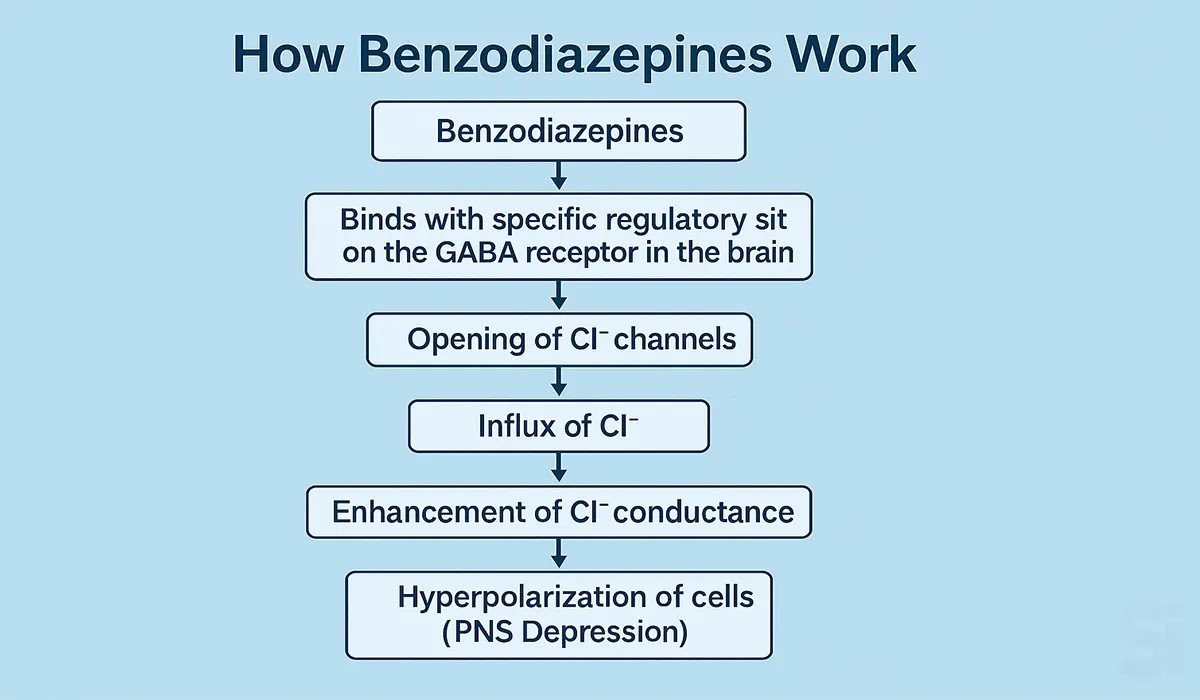
- These receptors are proteins found on nerve cells that regulate the activity of the central nervous system (CNS).
- This allows chloride ions to flow into the neuron.
- The inside of the cell becomes more negative.
- It stabilizes the neuron and makes it less responsive to stimulation.
- This makes the inside of the neuron even more negative than at rest, reducing the chance of firing an action potential.
- Since neurons are less excitable, they are less likely to transmit signals.
- This leads to a calming effect on the brain, known as postsynaptic inhibition.
How Selective serotonin reuptake inhibitors (SSRI) Works

How do SSRIs work?
- Serotonin is normally released from the presynaptic cell and moves to the postsynaptic cell.
- After that, some of the serotonin goes back into the presynaptic cell — this process is called reuptake.
- SSRIs block this reuptake — meaning the serotonin is not taken back.
- As a result, more serotonin stays in the synapse, and it can work for a longer time.
- This extra serotonin helps reduce symptoms of depression, anxiety, and other mood problems.
Diagnostic Tests for Nervous System Diseases
| Sl. No | Test Name | Purpose |
|---|---|---|
| 1 | Magnetic Resonance Imaging (MRI) | Provides detailed images of the brain and spinal cord; helps detect tumors, strokes, multiple sclerosis, or structural damage. |
| 2 | Computed Tomography (CT) Scan | Quickly identifies bleeding, tumors, strokes, or skull fractures; often used in emergencies. |
| 3 | Electroencephalogram (EEG) | Records electrical activity of the brain; useful in diagnosing epilepsy, seizures, or brain wave abnormalities. |
| 4 | Electromyography (EMG) & Nerve Conduction Studies (NCS) | Measures electrical activity of muscles and nerve conduction speed; diagnoses peripheral neuropathy, myopathy, or nerve injuries. |
| 5 | Lumbar Puncture (Spinal Tap) | Collects cerebrospinal fluid (CSF) to detect infections (like meningitis), multiple sclerosis, or bleeding in the brain. |
| 6 | Cerebral Angiography | X-ray imaging of brain blood vessels using contrast dye; identifies aneurysms, blockages, or vascular malformations. |
| 7 | Positron Emission Tomography (PET) Scan | Shows brain metabolism and function; helps diagnose Alzheimer’s disease, Parkinson’s disease, or brain tumors. |
| 8 | Magnetoencephalography (MEG) | Measures magnetic fields produced by brain activity; useful in epilepsy surgery planning and brain mapping. |
| 9 | Neuropsychological Testing | Evaluates memory, attention, language, and problem-solving; helps in dementia or cognitive disorder diagnosis. |
| 10 | Ultrasound / Doppler Studies | Assesses blood flow in brain and neck vessels; used to detect stroke risk or carotid artery blockages. |
FAQs
Conclusion

Sarwar Hossain ✅
I am a travel enthusiast and sports-loving person. Education: BBA & MBA in Accounting.